


Permaculture and
Nature conservation
Put Down Roots, Reap the Future: Permaculture, a Living Seed Bank, and Self-Sufficient Living
The Alentejo is rugged, beautiful—and a real challenge when it comes to the climate. Anyone who simply throws seeds into the dry soil here and hopes for rain has already lost. Summers are dry for months on end, the sun really heats things up in July and August, and water is becoming scarcer every year. Our response, however, is as simple as it is ingenious: permaculture combined with intelligent landscape design.
Permaculture in the Alentejo:
Thus Permaculture For this to really work here, we have to shape the landscape. For example, we work with what are called „swales“—drainage ditches that run exactly along the contour lines of the terrain. When the rare but often heavy winter rains fall, this system slows the water down. It no longer rushes uselessly down into the valley, washing away valuable soil, but instead seeps slowly and deeply into the ground. At the same time, we use extremely thick layers of mulch, which shield the soil from direct sunlight, prevent evaporation, and build up new humus as they decompose. Added to this are intelligent plant combinations of shade-providing pioneer trees, deep-rooted shrubs, and ground-cover plants. These multi-layered systems break up the strong wind and actively and noticeably cool our microclimate. Where there used to be dusty soil, a functioning, water-retaining sponge is taking shape.
Our Living Archive: Why Seeds Belong in the Ground, Not in a Vault
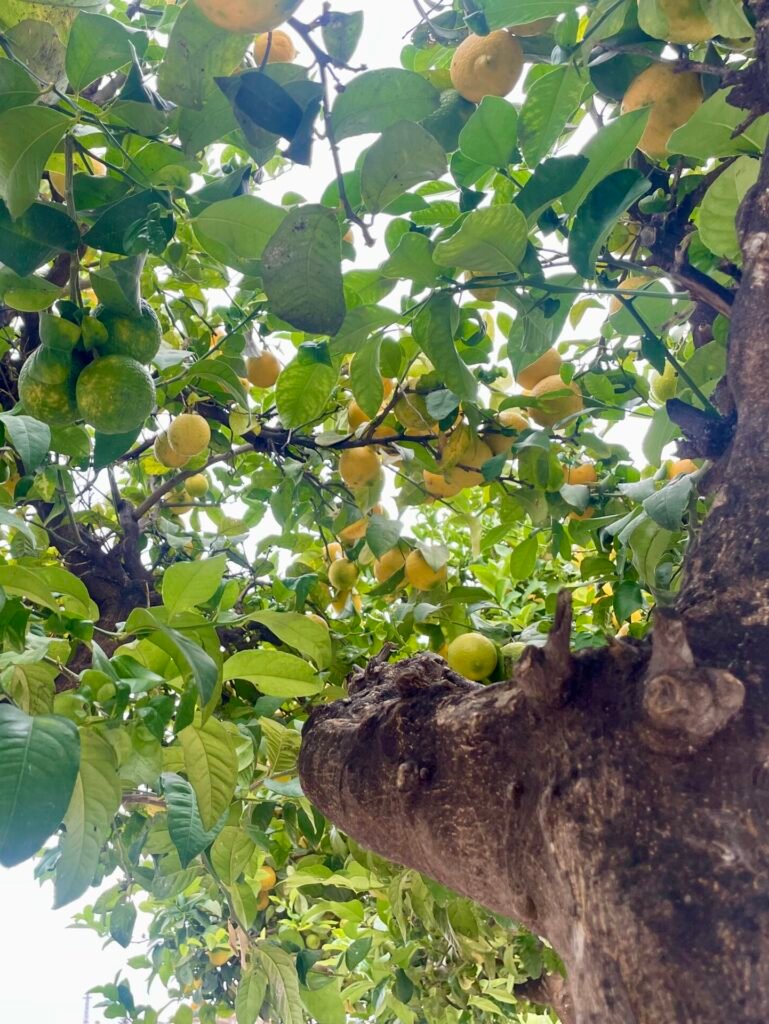
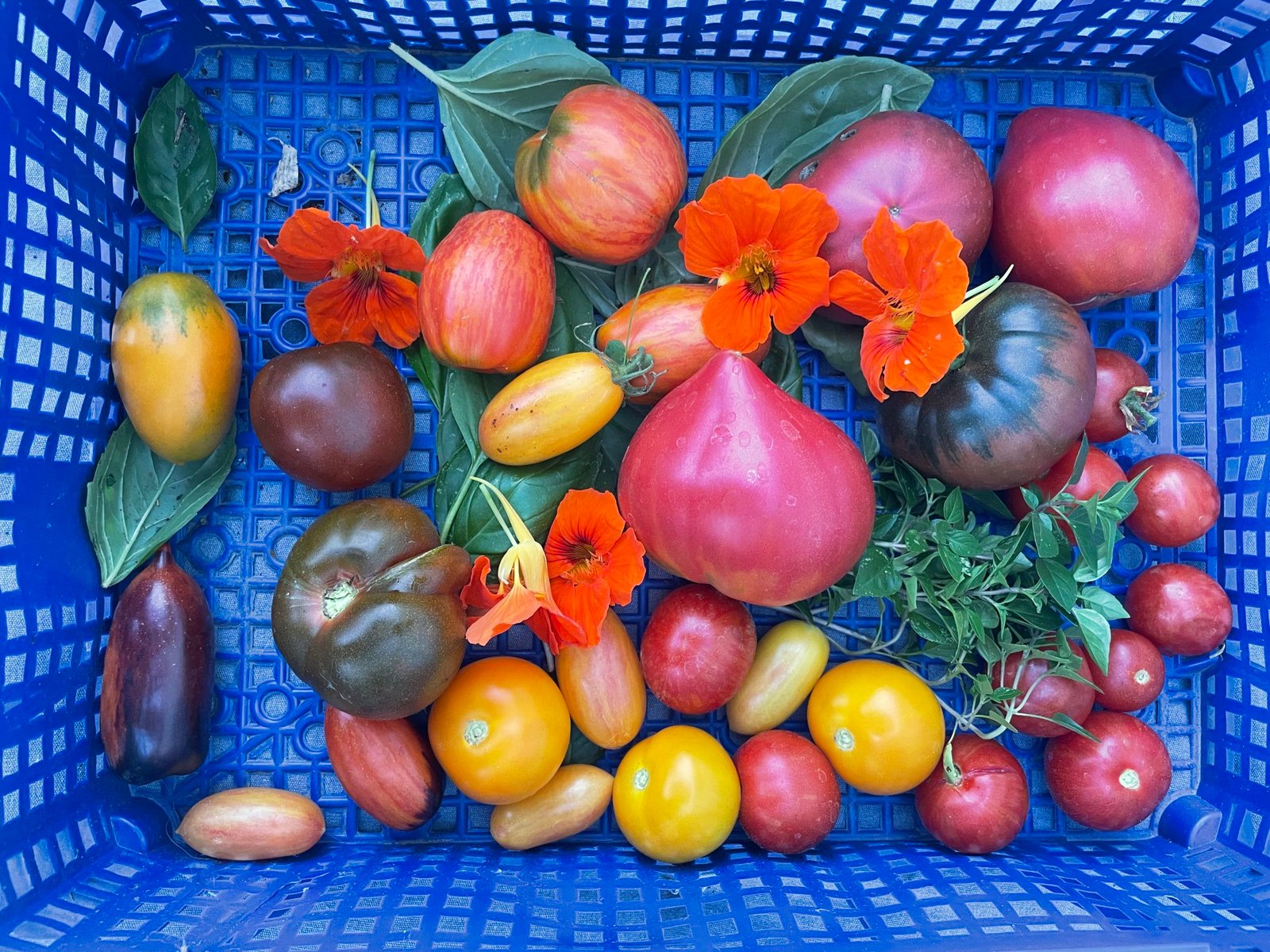
You don’t preserve seeds by locking them away in dark, cool bunkers. Seeds are alive. If they aren’t grown regularly, they lose their ability to germinate after just a few years. That’s why we grow historic, heat-tolerant fruit and vegetable varieties right here on our land. The old Portuguese heirloom varieties, in particular, have learned over centuries to thrive with little water and under the blazing sun. We deliberately expose them to these stressful conditions, harvest the strongest specimens, and collect the seeds.
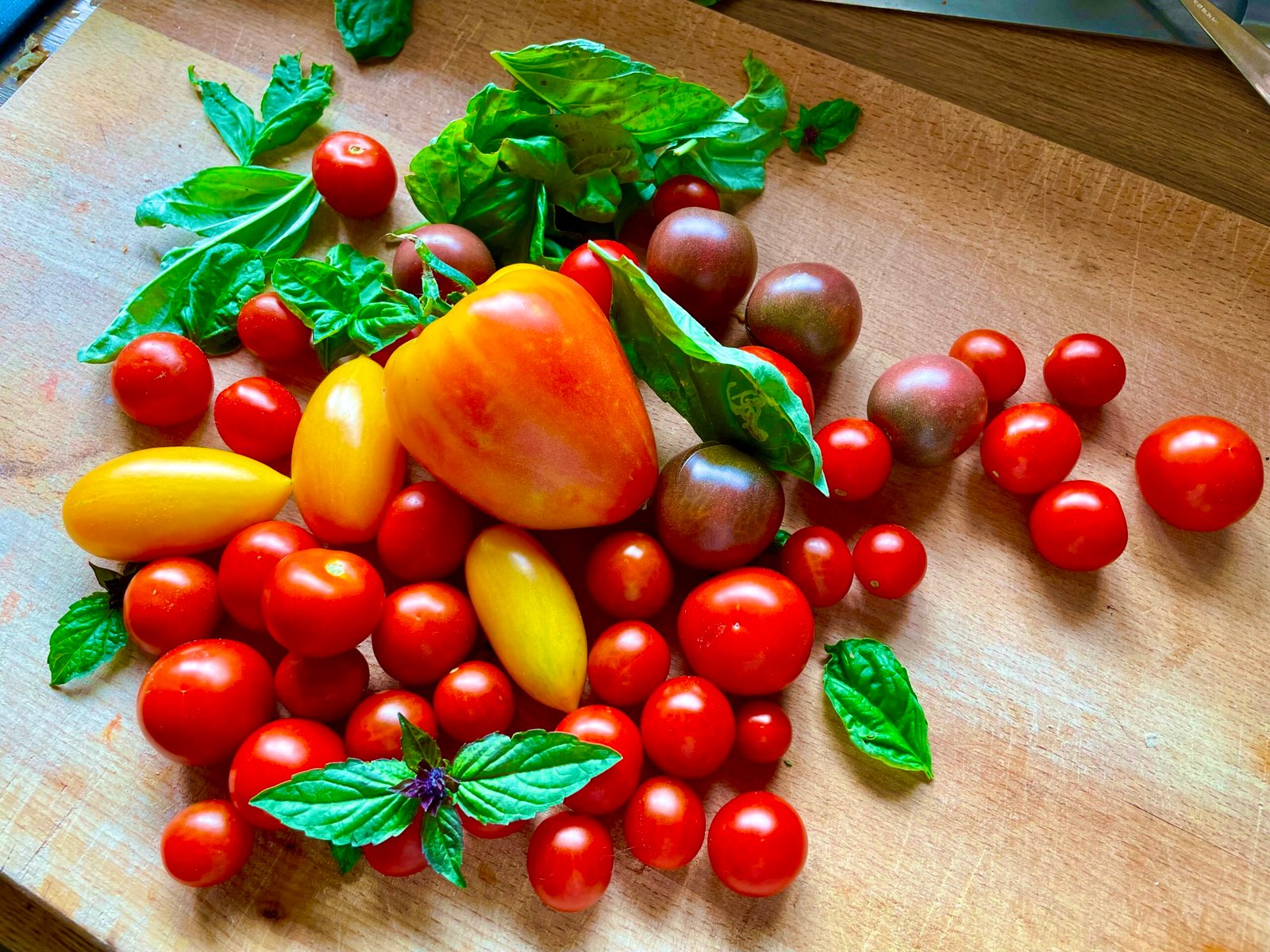
Our goal is to bring these treasures back to our plates and into our home gardens. It makes no sense for every garden to be filled with the same red, watery, mass-produced tomato from a bulk package of F1 hybrids. We want diversity back. True Circular Economy It starts with the seeds.
Farm-to-Table: Uncompromising Freshness as a Health Concept
At our vegan restaurant, what ends up on your plate is exactly what was grown in the ground just a few meters away. The „farm-to-table“ concept is no longer a niche topic—pioneers like Dan Barber with his Blue Hill at Stone Barns in New York or the legendary Noma In Copenhagen, they have revolutionized the international restaurant scene. They have proven that radical regionality is the only path to authentic, unbeatable flavor.
We are steadfastly continuing down this path, because for us it also has a significant health aspect—it is salutogenesis in action. A vegetable from the supermarket has often traveled thousands of kilometers by truck and spent days in cold storage. With every hour that passes after harvest, the plant loses vitamins and phytochemicals. What ends up on the supermarket shelf may still look like a zucchini, but it’s often just a shadow of its original nutrient density. Our harvest, on the other hand, is pulled from the ground in the morning and served at lunchtime. Pure, unadulterated superfood that provides your body with what it truly needs.
Giving Nature Its Space: Nature Conservation and Reforestation
We don't farm every last corner of these 85 hectares. We deliberately leave large parts of the land to grow on its own. Nature Conservation in Portugal is a pressing issue, and we are doing our part by designating untouched fallow land as strictly protected areas for wildlife, insects, and birds. Where the land has suffered from past monocultures or overgrazing, we take action through targeted Restoration one. The Reforestation By planting native, drought-resistant tree species, we stabilize the ecosystem for the long term. We are planting a forest today whose full splendor we ourselves may never see—but which is vital for the survival of future generations.
Sharing Knowledge: The Power of Community in Our Hands-On Workshops
We want to spark that interest. In our training courses and workshops, we share our wealth of practical knowledge about organic gardening. You’ll learn firsthand how true mixed-crop gardening works, how pests can be naturally controlled through the right choice of plants, and how to build your own climate-resilient garden from the ground up. We’ll give you the tools for a self-sufficient life—but the real idea behind it is much bigger than that.
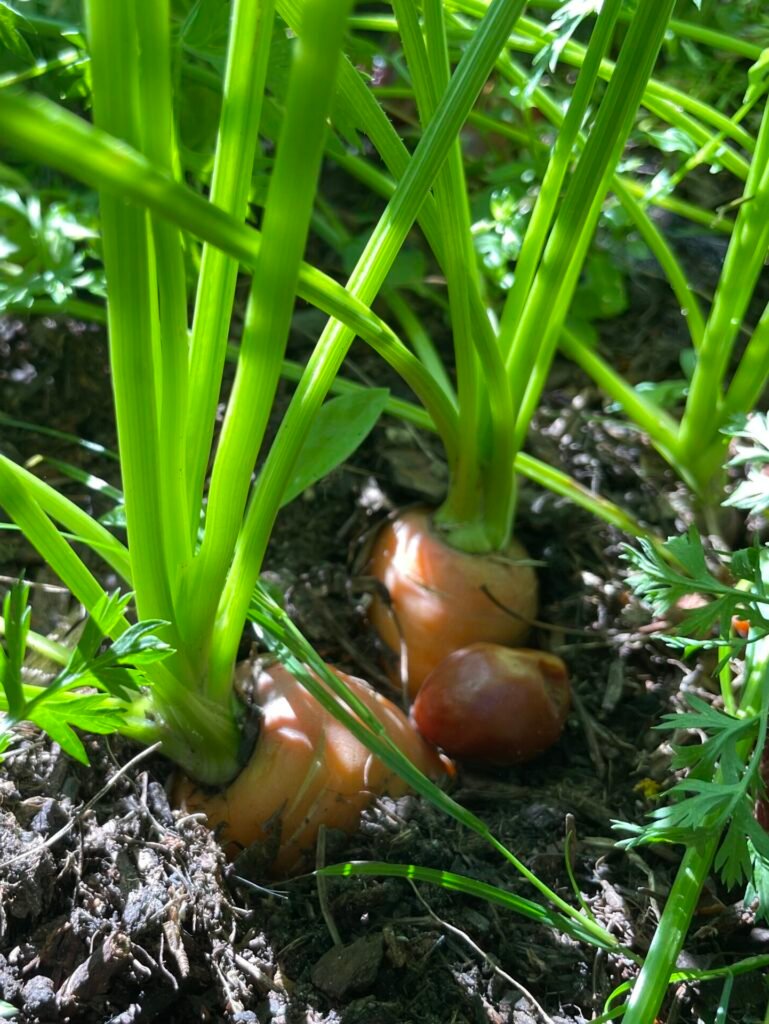
When a single person starts growing their own food in their backyard, that’s a great first step. But when we share this knowledge and suddenly hundreds or thousands of people start gardening in a way that conserves resources, a tremendous force is created. As a collective, we have the leverage to truly change the system. Every square meter that is transformed into a small, functioning ecosystem in a private setting is taken away from industrial agriculture. That means: less depleted soil, no pesticides in the groundwater, and an end to unnecessary transportation. Collectively, we’ll eat healthier; our bodies will finally get the genuine, unadulterated nutrient density they need, and, as a bonus, we’ll be doing a tremendous amount to protect our environment. Real change starts right at home in your garden—and ultimately transforms the way we, as a society, feed ourselves.
„What we eat and how our food is produced can literally change the world.“
– Kenneth Keavey